
How Velcro Patches Make Branding and Team Identification Easy
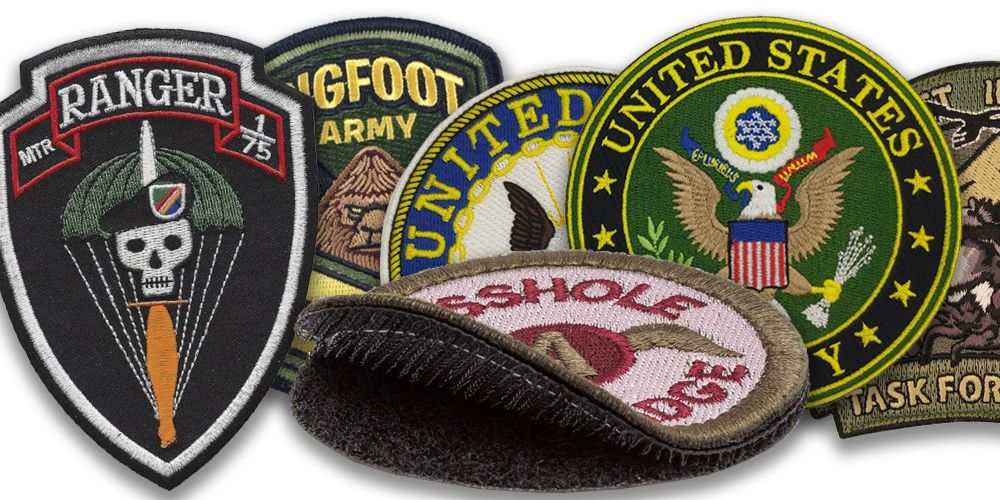
Are you outfitting a team, promoting a brand, or personalizing gear? Velcro patches provide a practical and stylish solution to branding and team identification. A Velcro patch is a fabric-based patch that attaches to surfaces using a hook-and-loop system. It is reusable, easy to apply, and widely used for branding, team identification, and personalization. And with Xpress Patches, creating high-quality, custom Velcro Patches has never been easier. Simply choose your design, size, and quantity, and let Xpress Patches handle the rest.
Today, we look into how Velcro patches make branding and team identification a lot easier. We will also look at the technical aspects, history, and applications of custom Velcro patches, focusing on how businesses like Xpress Patches make the process seamless and effective.
What are Velcro patches?
Velcro patches are small, durable, and easy-to-attach Velcro fasteners used to secure patches to clothing, jackets, hats, backpacks, uniforms, and accessories. They are typically made from nylon or polyester and feature a hook-and-loop mechanism for attachment.
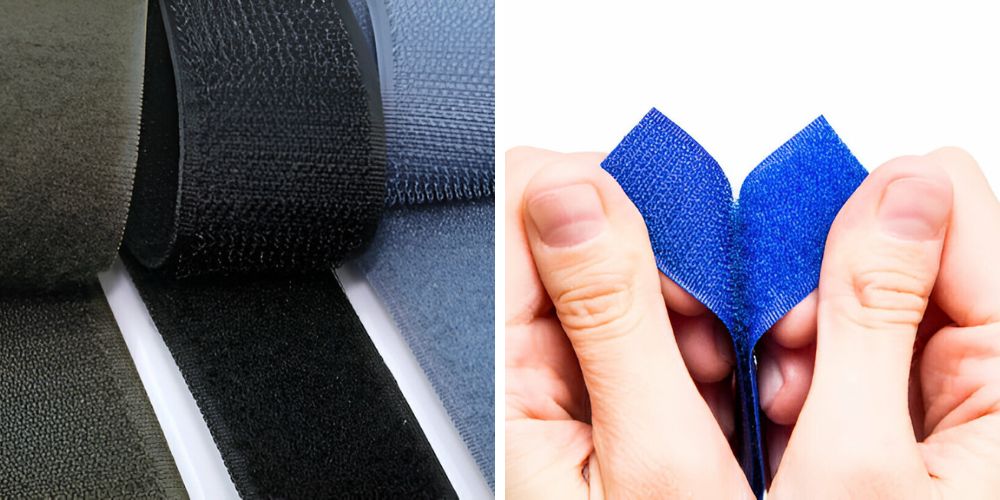
One side is sewn to the patch, while the other is affixed to the object. Velcro patches can be removed and reattached as needed, making them versatile and durable at the same time.
The Evolution of Velcro Patches
Velcro, a combination of the French words “velours” (velvet) and “crochet” (hook), was invented in 1941 by Swiss engineer George de Mestral. Inspired by burrs sticking to his dog’s fur, de Mestral created a hook-and-loop fastening system. Over the decades, this innovation evolved into a staple for industries ranging from fashion to aerospace.
Velcro patches emerged as a natural extension of this technology, offering a reusable, easy-to-apply option for personal and professional identification. According to market research, the global Velcro market is expected to reach $2.9 billion by 2030, driven by increased demand in textiles and promotional products.
Types of Velcro Patches
Originally designed for aerospace and military use, they now serve various purposes in fashion, branding, and functionality. From customizing clothing and accessories to promoting brands and organizations, Velcro patches have become a popular option for personal expression and identification. With endless design possibilities and the convenience of easy application, Velcro patches continue to be a sought-after accessory in many industries. Below are the different types of Velcro patches in use.
- Hook-Only Patches: These patches feature only the hook side and attach to garments or surfaces with pre-sewn loops.
- Loop-Only Patches: Ideal for areas requiring frequent changes, these patches provide a soft base for attaching multiple designs.
- Hook-and-Loop Combination: The most popular option, combining both sides for secure and reusable attachment.
- Sew-On Velcro Patches: These are stitched directly onto garments for added durability.
- Adhesive-Backed Velcro Patches: Perfect for temporary or non-fabric surfaces, offering quick and easy application.
How Velcro Patches Work
Velcro patches rely on the interaction between tiny hooks and loops. By latching onto the loops, the hooks form a strong connection. This mechanism allows for reusability, ease of application, and durability. This mechanism consists of two components, the hook side (rough side) and the loop side (soft side).
The hook side is the scratchy and stiff part of Velcro, consisting of small, rigid hooks. It is typically sewn or glued to the item that needs to be attached (e.g., clothing, backpacks, hats, or tactical gear). The loop side is the soft, fuzzy side of Velcro, made up of small loops. It is usually sewn or adhered to the patch itself.
Now, when the hook side and loop side are pressed together, the hooks catch onto the loops, creating a secure bond. The more hooks and loops that interlock, the stronger the attachment. And in order to separate them, simply pull the two sides apart. The hooks release from the loops with minimal force compared to traditional adhesives or sewing.
Applications of Custom Velcro Patches in Branding and Team Identification
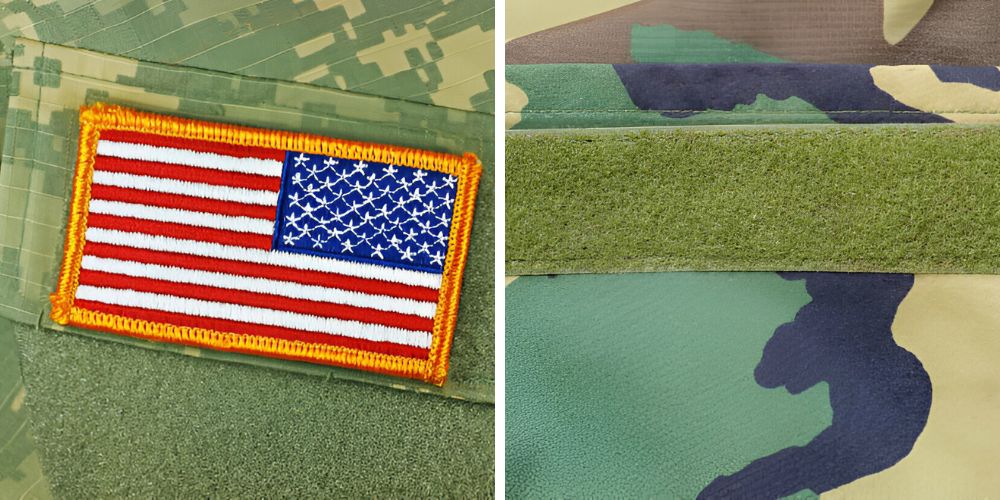
Custom Velcro patches are a practical solution to team branding, especially if the team is fairly new and needs to show unity, promote their identity, and boost their professional brand. These patches can display the team’s logo, motto, or emblem, making them easily recognizable and instilling a sense of pride and belonging among the members.
Velcro patches are used across various sectors:- Corporate Branding
- Sports Teams
- Military and Law Enforcement
- Outdoor Gear
Xpress Patches offers a range of Custom Velcro patches designed to specific needs, including Custom Embroidered Patches, Custom PVC Patches, Custom Chenille Patches, and Dye Sublimation Patches.
How to Add Velcro to a Patch
You can add Velcro to a patch by sewing or using adhesive-backed Velcro. For added durability, Xpress Patches recommends combining both methods.
- Cutting the Velcro: Match the Velcro size to your patch.
- Sewing: Stitch the Velcro onto the patch or the garment for a secure hold.
- Adhesive Application: Use adhesive-backed Velcro for non-fabric surfaces.
- Combination: Combine sewing and adhesive for added strength.
What’s the difference between iron-on and Velcro patches?
For long-lasting repairs or customization on sturdy textiles, iron-on patches are perfect. They work especially well on coats, jeans, and purses because of their easy application technique. On the flip side, velcro patches are ideal for applications that need regular updates, uniforms, or interchangeable designs. Velcro patches are a flexible choice for both personal and professional use due to their reusability and ease of maintenance.
Read more about Iron-On vs Velcro Patches
Ready to boost your branding with Custom Velcro Patches?
Custom Velcro patches are more than just accessories; they are tools that simplify branding and team identification with unmatched flexibility and style. Xpress Patches delivers exceptional quality and customization to meet your needs when it comes to corporate uniforms, sports teams, or personalized gear.
Don’t settle for ordinary patches when you can have high-quality, durable, and reusable custom Velcro patches designed to your exact specifications. Contact Xpress Patches today to bring your designs to life and take your branding to the next level!
8. Digitization and Design Control
Designs are created and digitized using software compatible with chenille embroidery machines. The software allows precise control over stitch placement, loop size, and density. Essential for creating detailed, high-quality embroidery designs.
9. Layering Techniques
Chenille machines can layer different stitches or textures on top of one another for a multi-dimensional effect. This technique is used to add complexity and richness to designs. Found in luxury apparel or artistic embroidery pieces.
10. Fabric Compatibility
Chenille machines adjust stitch tension and density to suit various fabrics, such as fleece, velvet, or cotton. Ensures designs are durable and visually appealing across different materials. Commonly used in garments, home décor, and accessories.
Considerations:Chenille designs generally work better on larger scales due to the thickness of yarn and stitching methods. Hence, avoid sharp angles and small sizes. Use cutaway backing for large designs and combine with standard embroidery for detailed designs.
How to make chenille patches stay on?
Clean, flatten, and position the patch carefully using measuring tools and pins. Then, secure the patch in place by stitching around the edges with a sewing machine or by using fabric glue for a more temporary hold.
Various application methods include:
- Ironing: Quick for heat-activated glue.
- Sewing: Most durable option.
- Gluing: Easy but not long-lasting.
- Double-Sided Tape: Temporary and convenient.
- Velcro: Best for interchangeable patches.
Match the method to the patch material, size, and position. Consider the durability needed for the patch and choose the application method accordingly. For long-lasting results, sewing is typically the best option, while ironing may be sufficient for temporary or decorative patches.
Also read: Iron-On vs Velcro Patches: Which is Best for Your Application?
Can you use a heat press on chenille patches?
- Prepare the Surface: Ensure the garment or fabric is clean and wrinkle-free.
- Set the Heat Press: Adjust the temperature to the recommended setting (typically 320–340°F) and set the pressure to medium.
- Position the Patch: Place the chenille patch in the desired location with the adhesive side facing the fabric.
- Protect the Patch: Cover it with a heat-resistant sheet (like Teflon) to prevent scorching.
- Apply Heat: Press the heat press down firmly for 15–20 seconds.
- Cool and Check: Allow the patch to cool for a few seconds before checking its adherence. Repeat if necessary for stronger bonding.
For delicate fabrics or heavily textured materials, test the process on a small area first to avoid damage.
Ready to order your first custom chenille patch?
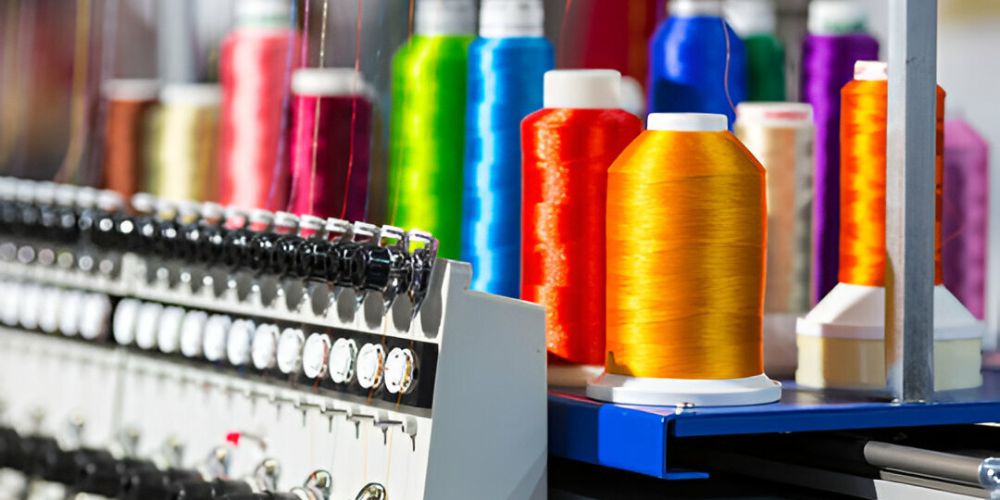
Chenille embroidery production techniques are widely valued for their ability to produce rich, textured designs, making them a preferred choice for logos, patches, and decorative apparel. Their versatility and efficiency stem from the unique stitching methods and advanced features of modern machines. At Xpress Patches, we use advanced chenille embroidery machines to produce each patch. These machines specialize in creating the looped stitches that give chenille its fuzzy appearance.
Our experienced team guarantees that each patch is crafted with precision and attention to detail, resulting in a high-quality finished product. Contact us today to start creating your custom chenille patch!